
Geranium Oil Egypt
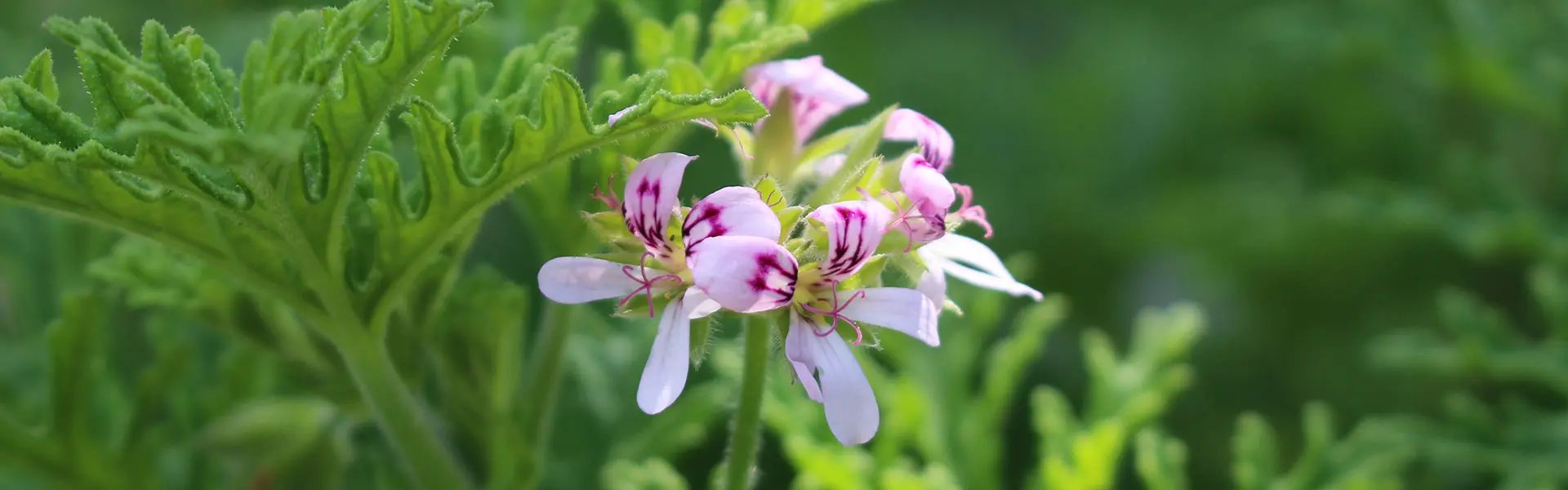
Geranium has the multiple facets of a dewy rose, the crispness of an aromatic leaf and the refreshing splash of a fougere. Behind its serrated leaves and pink flowers lies a raw material that has become an androgynous symbol of modern perfumery. Geranium essential oil is a powerful floral green and rose note with a minty undertone.
It can be used at the heart of traditional fern accords. Its rosy and herbaceous notes bring a round and pleasant touch that blends perfectly with the aromatic or citrus top notes.
Native to South Africa, geranium is a branching shrub with downy, light green, aromatic foliage containing essential oil. The inflorescence is usually pink and each flower consists of a pair of upper petals veined ruby red and three lower petals.
Geranium needs fertile soil, full sun and a dry, hot climate. It doesn’t like frost, which is why it has been cultivated in Egypt for many years. The plants are planted from October to November. They are perennial and can remain in the field for ten years or more. Some geranium plants are replanted each year for crop rotation and additional income.
A single harvest of the entire aerial part is made in June when the plant is in flower. Depending on the area, this is done directly by hand with a sickle, or mechanised for larger plantations. The cut plants are usually left to dry in the sun for two to three days before being transported to the distillery.
In the mid-19th century, when rose oil became scarce and its price exploded, perfumers began to look for alternatives with a rosy scent. Geranium was the perfect alternative. Today, its use has gone far beyond substitution and has become a mainstay of perfumery.
Have questions or need assistance? Our team is ready to provide you with the support you need. Click the button below to reach out, and let’s start a conversation!
Get in touch