
Vetiver Oil Haiti
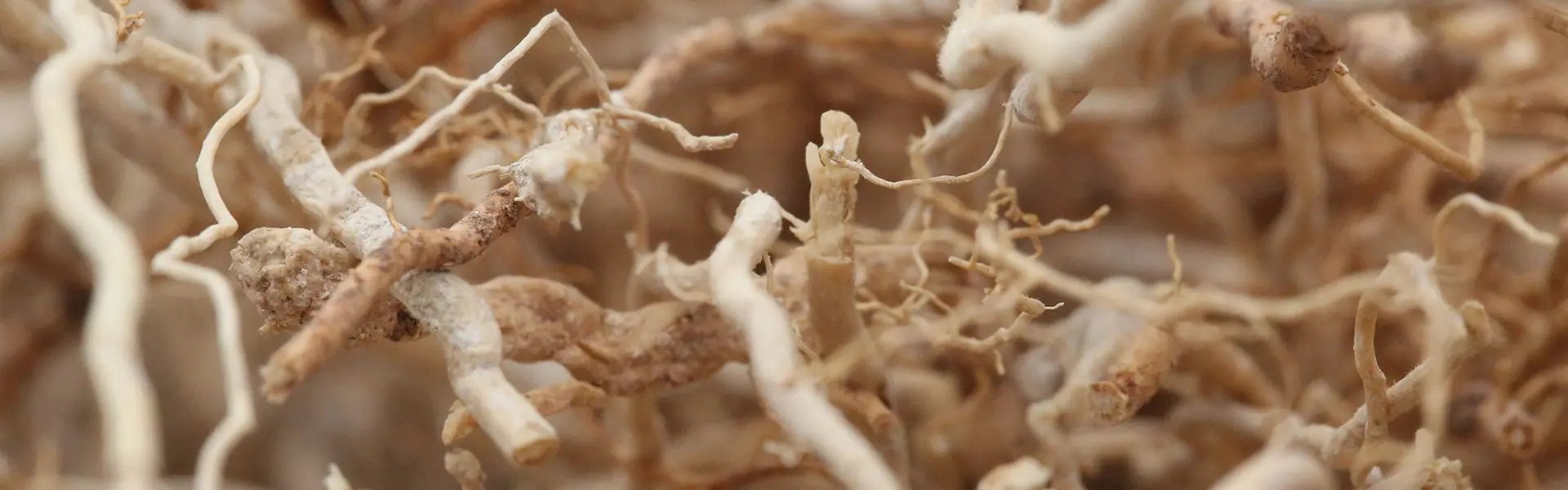
Vetiver oil from Haiti is dry and woody with earthy, smoky and nutty accents. Haitian vetiver differs from Java vetiver in its sparkling citrus notes and fresh bitterness. Java vetiver is characterised by its strong smoky notes.
Found in many fragrances, vetiver is at the heart of woody, cedar and amber notes. Its essential oil is often used as a pure solinote to accentuate and embellish.
Native to India, vetiver has spread widely throughout tropical regions. Today, it is mainly cultivated in Indonesia and Haiti. The main vetiver growing region in Haiti is Les Cayes. A grass that can grow up to two metres tall, Vetiveria zizanoides hides its delicate fragrance in its fine, fibrous roots. Anchored deeply in the ground, vetiver develops a dense network of slender, hairy roots that can also reach two metres in length.
At harvest time, from January to July, the leaves are cut, the clumps of roots are pulled out with a pickaxe and the bare slips are replanted for the next harvest. The roots removed from the soil are tied into bales, washed and dried in the shade before being distilled.
Steam distillation of vetiver roots takes about ten hours. The volatile compounds are transferred to the condenser where the essential oil is recovered from the surface of the decanter. Finally, the oil is centrifuged to remove water droplets.
In humid tropical regions where vetiver grows, it is usual to use the roots to filter the hot air in homes and bring a fresh and woody scented smell.
Have questions or need assistance? Our team is ready to provide you with the support you need. Click the button below to reach out, and let’s start a conversation!
Get in touch