
International Day for Biodiversity 2026
Component content
Celebrated every year on 22 May, the International Day for Biodiversity marks the adoption of the Convention on Biological Diversity and invites global action to protect life on Earth.
Global change starts with local action
This year’s theme ’Acting locally for global impact’, aims to connect local initiatives with the 23 global targets of the Kunming-Montreal Global Biodiversity Framework – action-oriented goals designed to drive urgent progress over this decade, with all actions to be completed by 2030. The campaign encourages a whole-of-society approach where everyone has a role to play.
Protecting biodiversity – because it’s at the source of everything we do
Biodiversity is the foundation of our business; we source over 10,000 natural raw materials from ecosystems around the world. Through our Responsible Sourcing programme, Sourcing4Good, we work closely with our local supplier partners to ensure these materials are grown and harvested in ways that respect nature and people. Protecting and regenerating nature means protecting the communities, landscapes, and ingredients we all depend on. Every local action is part of a bigger commitment to global regeneration.
Last year we announced two new purpose-linked 2030 targets on biodiversity, aligned to our overall 2030 ambition to contribute to protecting and regenerating biodiversity. The targets are:
- To source our critical agricultural commodities without contributing to deforestation or natural ecosystem conversion
- To source our key raw materials from supply chains engaged in regenerative agriculture
As we continue to pursue our ambitions, here are a few examples of how local actions, from India’s riverbeds to Brazil’s forests, create lasting positive impact on nature and communities.
Cypriol oil, India
Component content
Cypriol oil, India
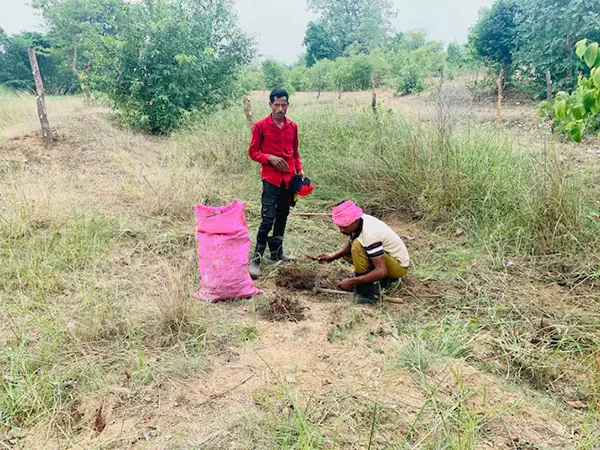
In the riverbeds of central India, cypriol (Cyperus scariosus) grows wild, its aromatic roots harvested, dried, and distilled by local communities into a warm, earthy oil with smoky, leathery tones. Traditional harvesting methods, passed down through generations, connect communities deeply to their land.
Recognising cypriol as one of our most important natural ingredients, and the need to preserve its fragile ecosystem, we have recently launched a habitat restoration and resource preservation project in partnership with our local supplier.
The project focuses on sustainable management of wild habitats in Odisha.
As the supply chain depends entirely on wild collection, it is sensitive to resource depletion, reinforcing the need for strong conservation practices to secure long-term availability.
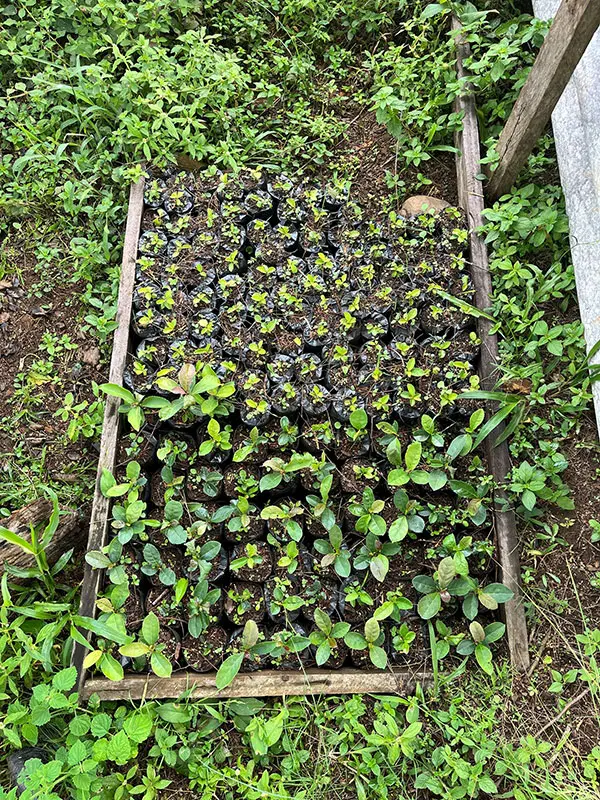
On the ground, this means local nurseries, hands-on training, and clearly defined harvesting zones, all shaped and maintained by the communities themselves.
Over time, the initiative aims to enhance natural wild populations, while creating direct employment for 200 families and indirect opportunities for many more.
Early restoration activities are already supporting food-chain recovery and benefiting local flora and fauna that co-exist in the ecosystem.
The project builds on the UEBT verified Responsibly Sourced attestation, completed in phases during 2023-2025 strengthening local livelihoods and ecosystem resilience and showing how acting locally can drive real impact for nature at scale.
Yerba-maté, Brazil
Component content
Yerba-maté, Brazil
In the protected Araucaria forests of southern Brazil, farmers grow yerba-maté using regenerative methods that support both biodiversity and local tradition. For many families, the harvest is their livelihood and a way to care for the land that sustains them.
Working with our supplier partner, we source yerba-maté grown in the shade of native Araucaria trees, a centuries-old agroforestry system that maintains forest cover and protects biodiversity in a region where only 1% of original forest remains.
In May 2025, the UN FAO recognised this model as a ‘Globally Important Agricultural Heritage System’ for safeguarding the forest and maintaining cultural traditions.
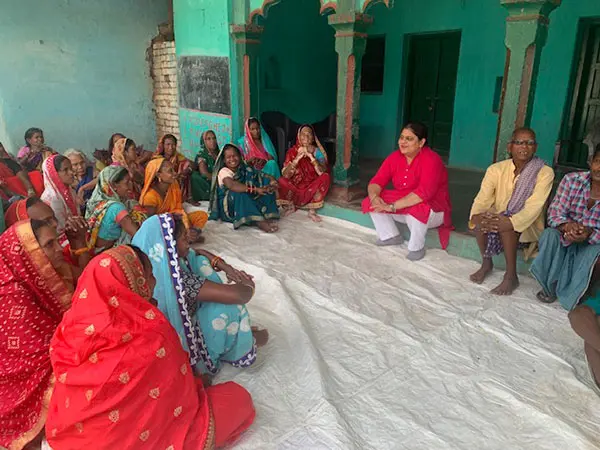
Certified Regenerative Organic and Fair for Life, this supply chain is built on respect for biodiversity, long term commitments, and living wages. Indigenous communities, who have been cultivating mate for decades, help keep cultural traditions alive while protecting the forest ecosystem.
Our approach ensures that a share of every purchase is reinvested directly into the communities behind it, funding clean water, sanitation, safety equipment and local infrastructure. On the land, pesticide-free farming and ongoing forest monitoring ensure the ecosystem continues to recover and regenerate.
By strengthening Indigenous participation and responsible harvesting, the partnership is building resilience, for the forest ecosystem and for the people who care for it.
Tonka beans, Brazil
Component content
Tonka beans, Brazil
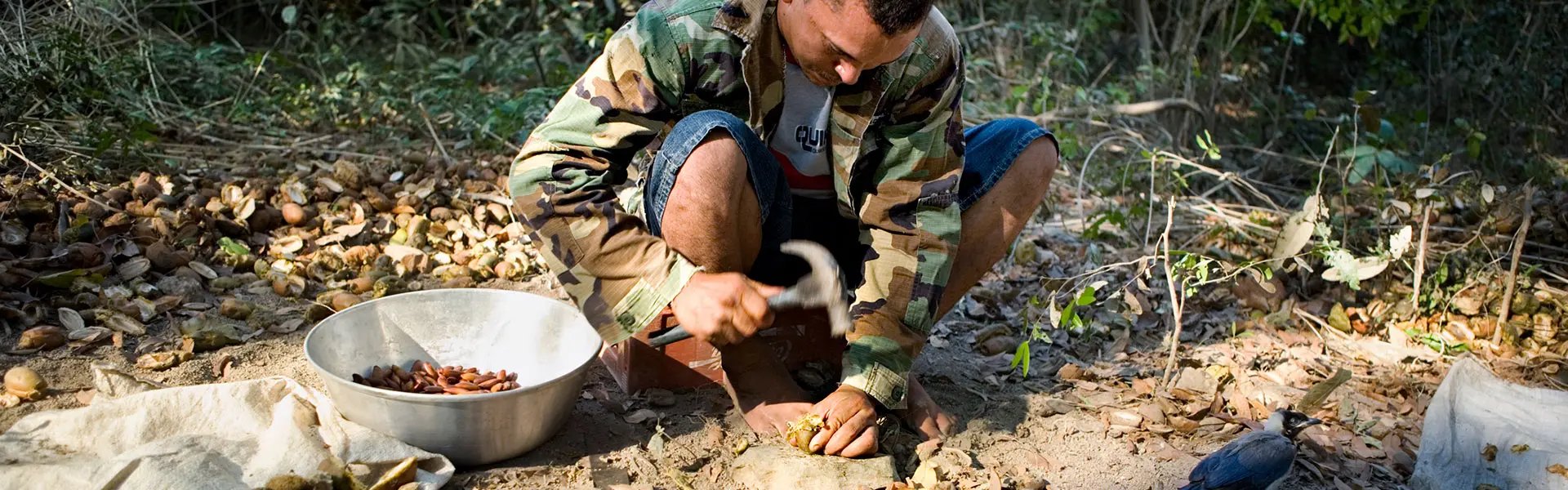
Deep in the Amazonian forests of Pará, in the Trombetas Reserve, Tonka trees grow wild amid dense vegetation. Their fallen fruits are gathered by smallholder collectors whose work sustains both their families and the forest ecosystem.
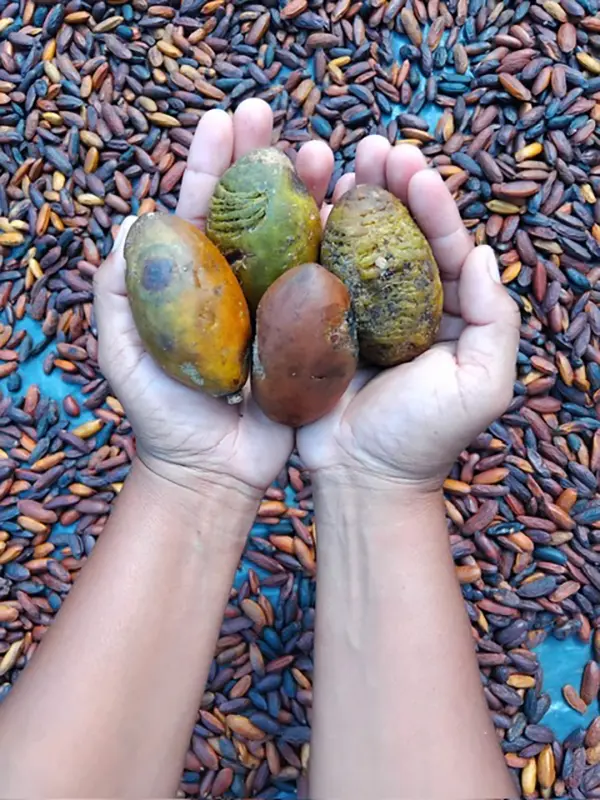
In 2025, our Responsible Sourcing team visited these remote collection zones, witnessing the traditional harvest that shapes local livelihoods.
The supply chain is UEBT verified Responsibly Sourced. The UEBT assessment reported no deforestation since 2014 and confirmed alignment with protected‑area regulations.
With no agrochemical use and forest cover maintained, operations carry a relatively low environmental footprint.
The next phase will potentially focus on strengthening documentation controls, further advancing biodiversity action plans, and expanding community access to basic needs like water, solar energy, and education.