
Lavender Oil Bulgaria Organic Cosmos
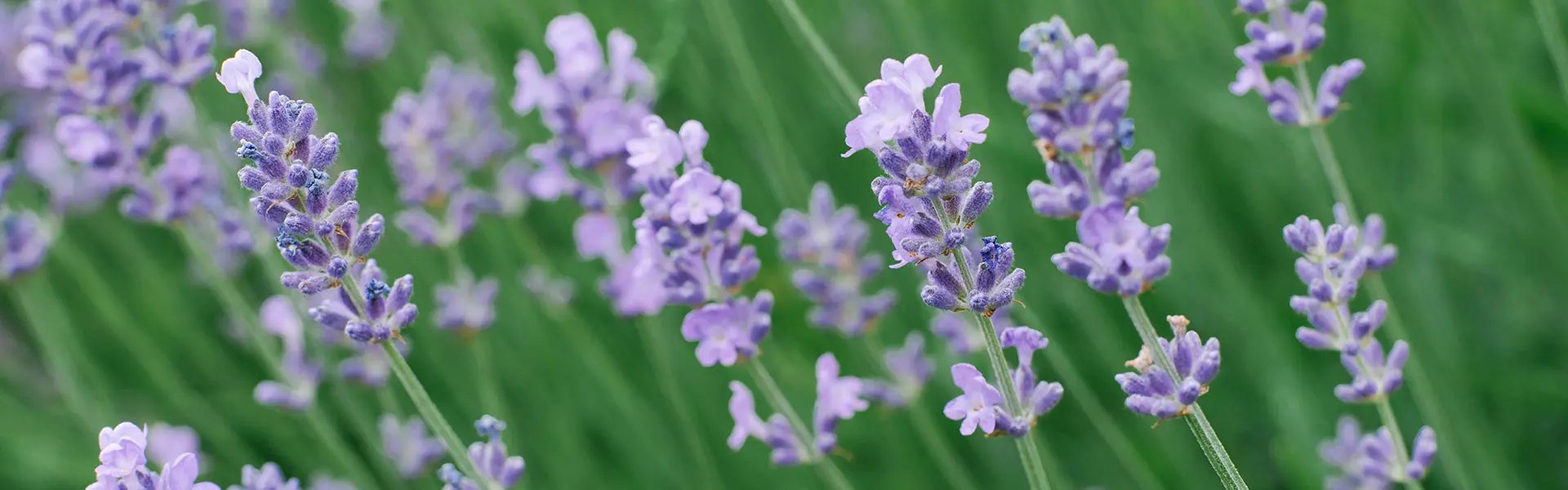
Lavender essential oil is delicate, floral and slightly powdery, reminiscent of the flower itself. This highly aromatic note is also herbaceous, camphorous and medicinal. Its fresh fragrance contains a slightly floral bergamot note with woody tones.
Lavender is a traditional ingredient of the fougère family. Combined with citrus, woody and spicy notes, it adds nuance and complexity. Lavender is often used as a top note with citrus to create a fresh and aromatic fragrance, or as a heart note with opulent florals or with woody notes to add a more sensual dimension to the fragrance.
Lavender was originally harvested from the wild, and started to be cultivated to suppport the development of industry and perfumery. In the late 20th century, Bulgarian growers began to reproduce fine lavender by vegetative propagation, creating clonal populations (each plant has the same genetic material). This technique has given growers greater control over the quality of the essential oil, the yield and the amount of essential oil produced.
Harvesting takes place when the flowers are close to turning ‘grey’. This takes just over a month between July and August. Lavender growers use the ‘préfané' technique: after cutting, the lavender is left to dry in the fields for two or three days. This gives lavender oil its characteristic scent.
The raw material is processed into essential oil by steam distillation. It takes between 45 and 90 minutes for the volatile molecules of lavender to be exhausted.
Twothousand years ago, the Romans began using the fragrant plant to wash their clothes, giving it its name from the Latin ‘lavare’, meaning to wash, to purify. Later, in the Middle Ages, it was used for its medicinal properties and to treat wounds.
Have questions or need assistance? Our team is ready to provide you with the support you need. Click the button below to reach out, and let’s start a conversation!
Get in touch